RIMOWA Essential Cabin Review: What Does the Name Buy at $925?
A RIMOWA Essential Cabin costs three to four times a Samsonite or Monos case of the same size. We looked at what $925 actually buys in wheels, warranty and shell durability, and where the name is doing the heavy lifting.
By The Packroute Test Desk//Updated
6.8 out of 10
/10
Verdict: pack with caveats
The Essential Cabin's wheels, handle and lifetime structural warranty are genuinely better than a budget case, but the glossy polycarbonate scratches fast and the price gap over a Monos or Samsonite is bigger than the durability gap.
Best for Frequent flyers who want a lifetime warranty on the shell and don't mind cosmetic scuffs
Nine hundred and twenty-five dollars is a lot to pay for a box that carries socks and a toothbrush. Before spending that on the Essential Cabin, it is worth asking exactly what RIMOWA's name buys over a case a third the price.
We looked closely at the Essential Cabin's build, its warranty terms and the independent testing already out there, from packing capacity tests to a year of owner reports, to separate what is genuinely better from what is just branding.
The wheels and handle are where the money shows
RIMOWA's Multiwheel system is the case's strongest argument. Eight double wheels roll straighter and quieter across airport tile than the four-wheel setups on most budget carry-ons, and the telescopic handle adjusts to any height rather than locking into two or three notches. Anyone who has fought a jammed handle at a gate knows why that matters more than it sounds.
At 3.2 kg for a 36-liter case, the Essential Cabin is also reasonably light for its size, helped by the polycarbonate shell rather than RIMOWA's heavier aluminum lines.
The shell: tough against drops, soft against scratches
Polycarbonate bounces back from blunt impact instead of denting the way aluminum does, and one long-term owner reported no dents after dragging the case up cobblestone streets and down interior stairwells. That toughness against drops is real.
The glossy finish is a different story. It picks up scuffs and fine scratches quickly, and RIMOWA's own lifetime warranty explicitly excludes cosmetic damage, meaning the wear this shell shows first is the wear nobody will fix for you. A luggage cover is close to mandatory if you plan to check this case even occasionally.
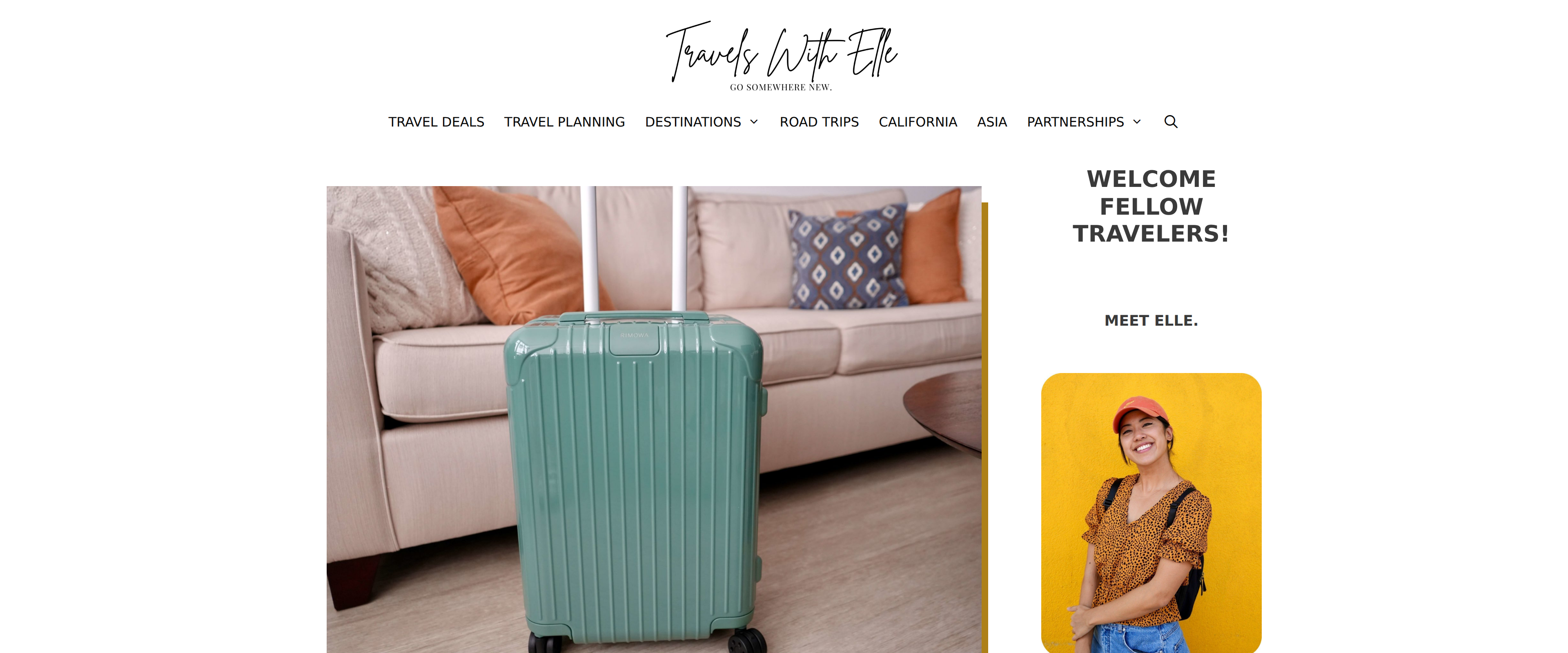
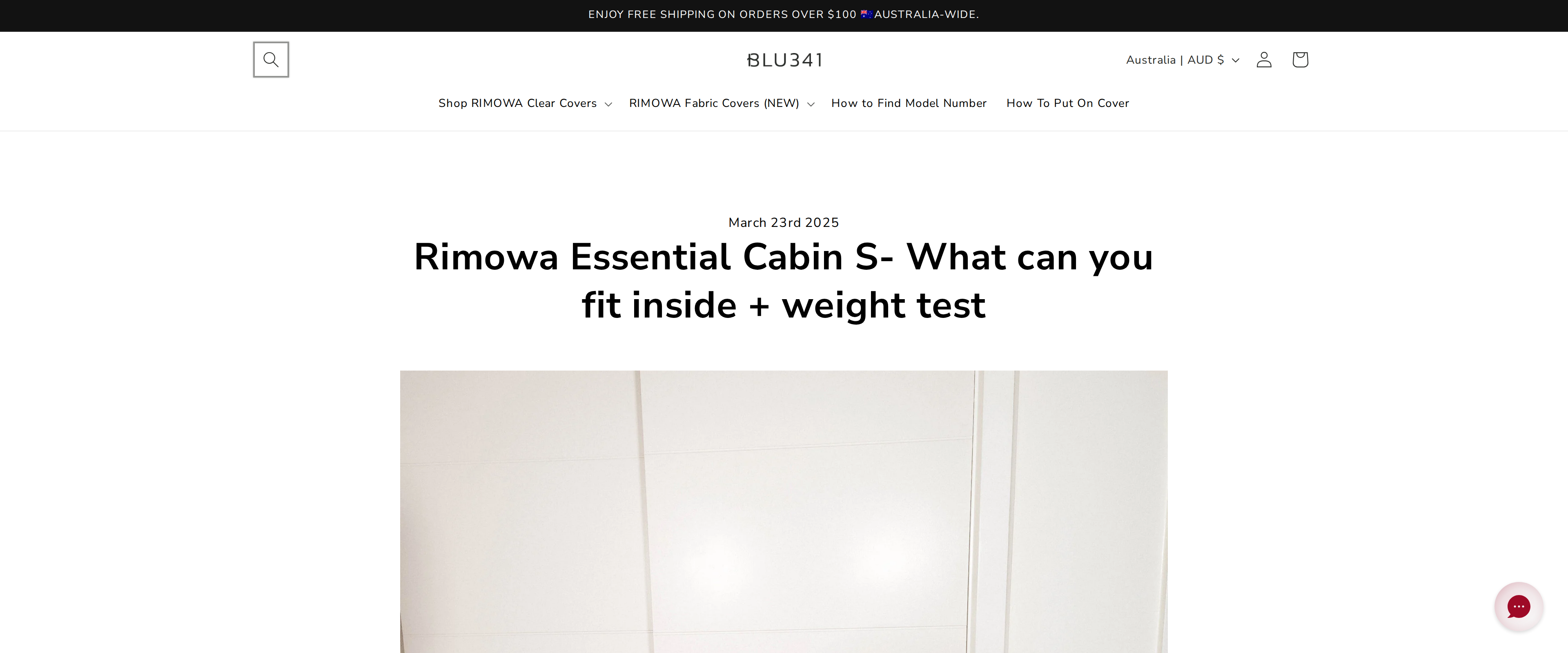
An independent packer's weight and capacity test of the Essential Cabin, filling it to see what fits before hitting airline limits
Capacity math against the price tag
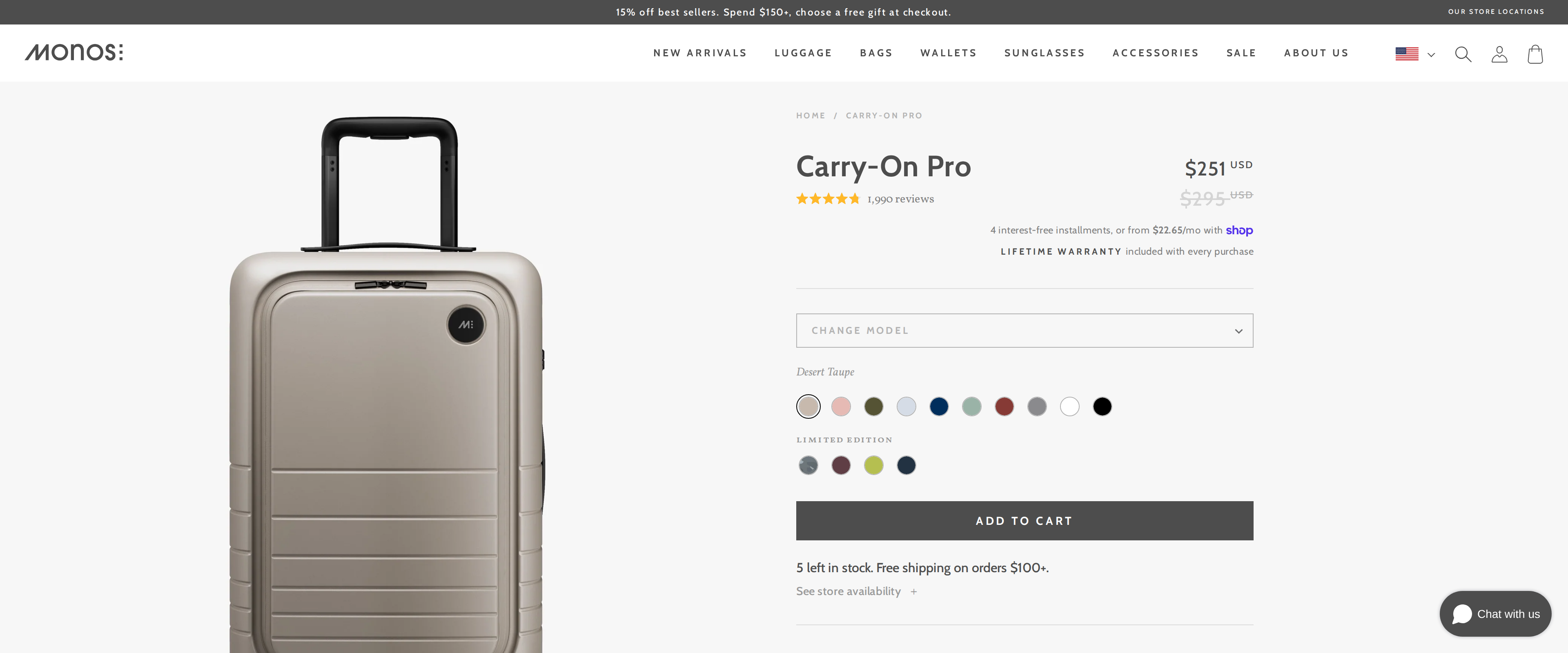
The Essential Cabin holds 36 liters, a middling number for a carry-on and one that cannot expand, since there is no zipper gusset here the way there is on some rivals. A Monos Carry-On Plus or a Samsonite Freeform in a similar size class holds a comparable volume for roughly a quarter to a third of the price, and both ship with their own version of a lifetime structural warranty.
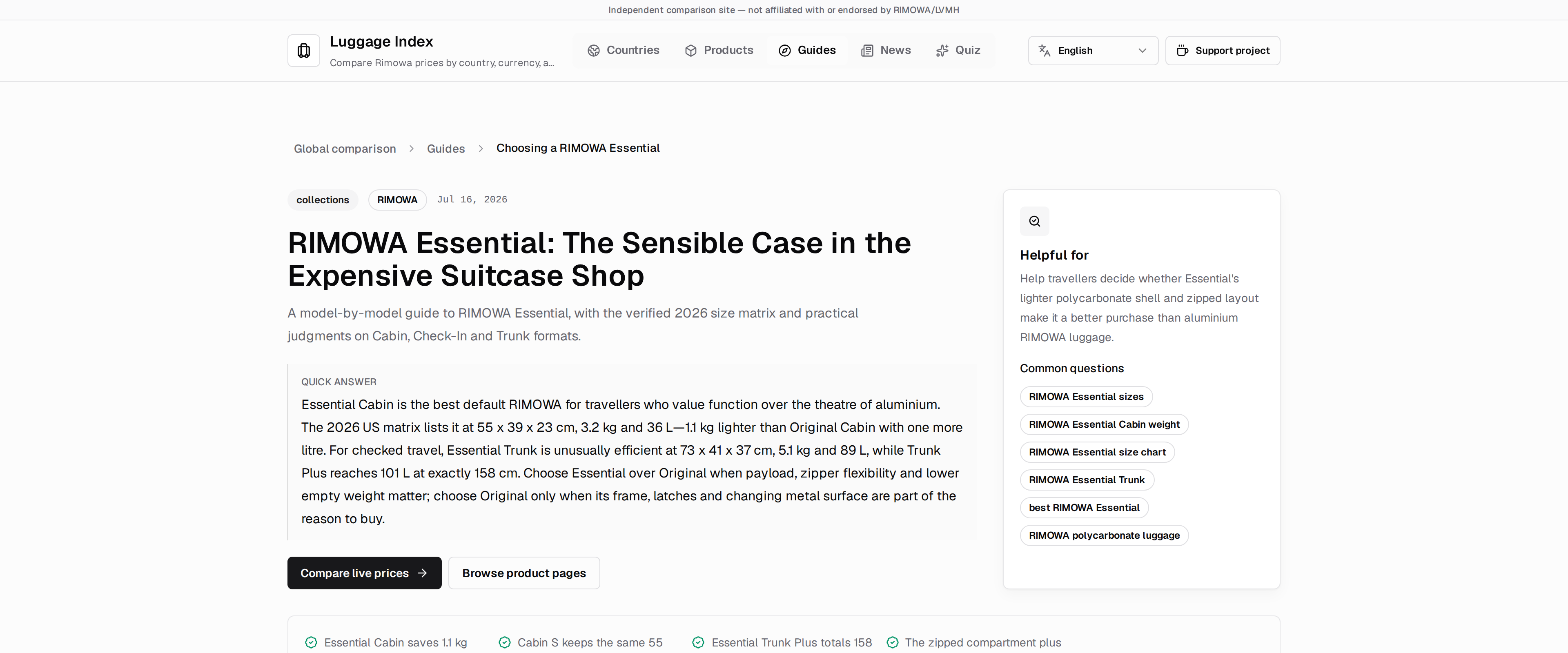
An independent size and capacity guide across the whole Essential line found the Cabin's numbers consistent with RIMOWA's own listing, so there is no hidden bonus capacity justifying the gap. What you are paying for beyond that is fit, finish, brand recognition, and RIMOWA's after-sales network, which does matter if you travel through cities with a RIMOWA repair counter nearby.
A size-by-size breakdown of the Essential collection, checking RIMOWA's stated capacity against real testing
What owners actually report after a year
Editors at Refinery29 put RIMOWA cases through sustained real-world travel rather than a single review trip, and the pattern that emerged matched what we found elsewhere: the mechanical parts, wheels, handle, latches, hold up well, while the shell finish shows its age in scuffs long before anything structural fails. That split is consistent enough across independent sources that it reads as the honest tradeoff of this case rather than one bad unit.
A magazine's extended trial of RIMOWA luggage, weighing durability against the brand's premium price
The interior tells the same story
Inside, dual dividers with compression straps hold packed clothes in place, a detail budget cases sometimes skip in favor of a single flimsy mesh pocket. The TSA-approved lock is built into the frame rather than bolted on as an afterthought, and it survived repeated airport screening checks without the latch loosening, a complaint we have seen on cheaper integrated locks. None of this is exotic engineering, but it is the kind of small, consistent quality control that separates a case built to a price from one built to a standard.
Who should actually buy this
Buy the Essential Cabin if the wheels, the handle feel and the RIMOWA name carry real weight for you, and you are willing to baby the finish with a cover. Skip it if you just need a carry-on that survives baggage handlers and holds a week of clothes, because a Monos or a Samsonite gets you there for a fraction of the outlay and won't show scratches you can already see coming.
The verdict
RIMOWA earns some of its premium through genuinely better wheels, handle and shell resilience against drops, but the price gap over a Monos or Samsonite is wider than the durability gap once you account for a scratch-prone glossy finish the warranty won't cover. This is a case bought for how it feels and looks, not one that outperforms cheaper rivals dollar for dollar.
Pros and cons
What worked
RIMOWA's Multiwheel system rolls straighter and quieter than typical carry-on casters
Telescopic handle has infinite height adjustment instead of two or three fixed notches
Polycarbonate shell bounces back from drops rather than denting like aluminum
Dual interior dividers with straps keep packed items from shifting in transit
What did not
Glossy polycarbonate scratches and scuffs faster than most rivals in this price range
Lifetime warranty explicitly excludes cosmetic damage, the exact wear this shell shows first
At $925 for 36 liters, it costs roughly 3 to 4 times a comparably sized Monos or Samsonite
No expansion zipper, so the 36-liter capacity is fixed no matter how you pack